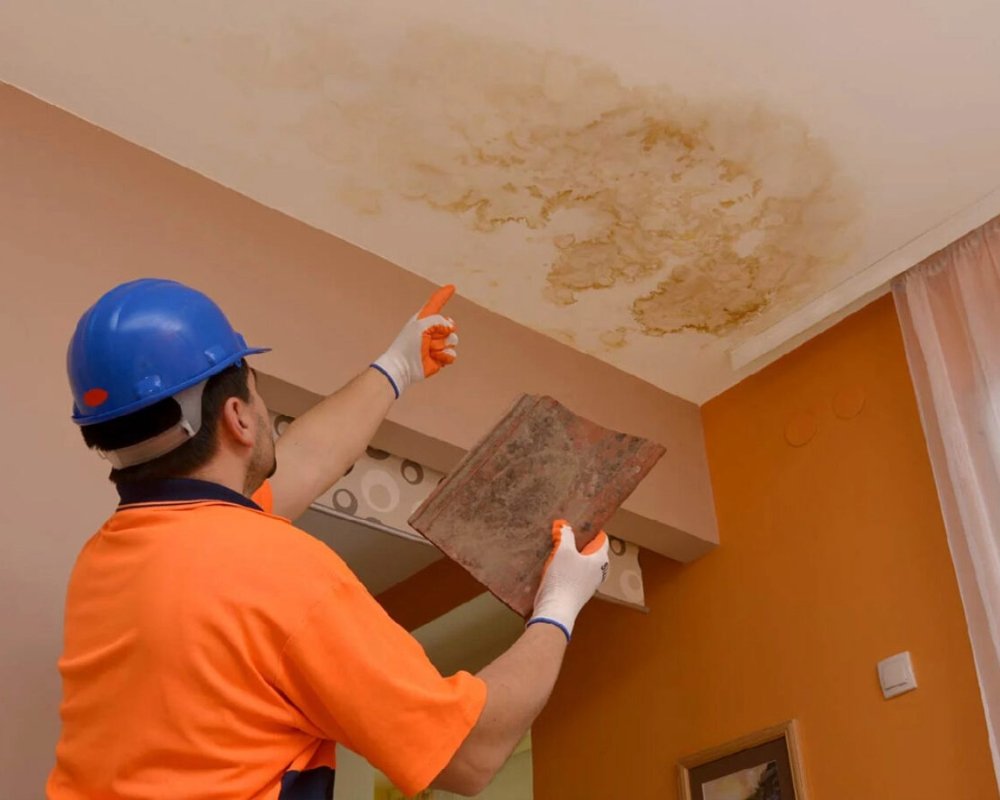
A roof leak can be frustrating because the spot where water appears inside the home is not always where the water entered the roof. Rainwater can travel along roof decking, insulation, rafters, and other materials before eventually reaching a ceiling or wall.
Finding the actual entry point is therefore an important first step before attempting a repair. Whether you notice a water stain, damp insulation, peeling paint, or dripping water after a storm, a systematic inspection can help narrow down the source.
Start by Checking the Attic
If your home has an accessible attic, begin your investigation there. Use a bright flashlight to inspect the underside of the roof, paying close attention to areas that look darker, damp, discolored, or different from the surrounding roof decking.
Moisture may not always be obvious, especially if several days have passed since the last rainfall. Mold or mildew growth can provide another clue because persistent moisture creates conditions where these problems can develop.
Take care when moving around an attic. If there is no proper flooring, walk only on the structural framing rather than stepping between joists, where you could damage the ceiling below.
Look Closely at Damaged Insulation
Insulation can make it easier to trace a roof leak because moisture often leaves visible damage. If one section appears wet, compressed, stained, or deteriorated, inspect the surrounding area carefully.
However, the damaged insulation does not necessarily sit directly beneath the roof’s entry point. Water can travel horizontally before it reaches the insulation or ceiling below. Follow the apparent path of the moisture rather than assuming the first damaged spot is the source.
If insulation needs to be moved during an inspection, use appropriate protective equipment and avoid unnecessary contact with the material.
Inspect Roof Penetrations
Some of the most common sources of roof leaks are areas where something passes through or interrupts the roofing system. Check around plumbing vents, HVAC vents, skylights, chimneys, and other roof penetrations.
Look for damaged flashing, deteriorated seals, gaps, cracked components, or missing materials. Vent pipe boots and chimney flashing, in particular, can become vulnerable as they age.
Also inspect the underside of the roof for obvious punctures or holes. A nail, fastener, or other object that penetrates the roof can provide a direct path for water.
When investigating a ceiling stain, consider what is directly above it on the roof. If there is a vent, chimney, skylight, or other penetration nearby, it deserves particular attention. However, not every ceiling stain or moisture problem is caused by a roof leak, so it is also important to consider other possible sources.
Use a Hose Test During Dry Weather
Finding a leak can be more difficult when the weather is dry. If there has been no recent rainfall, a controlled hose test can sometimes help reproduce the conditions that cause the leak.
This is best done with two people. One person can remain inside the attic with a flashlight while the other carefully applies water to small sections of the roof. Start with one area at a time and allow enough time for water to travel through the roofing system.
If water begins appearing inside, the location can help identify the general area that needs further investigation.
However, roof surfaces can be dangerous, particularly when wet. Anyone who is uncomfortable walking on a roof should leave this type of testing to a qualified professional.
Address the Problem Promptly
Once the likely source has been identified, avoid delaying the repair. Even a relatively small leak can allow moisture to damage insulation, roof decking, ceilings, drywall, and other parts of the home.
Some problems may involve a straightforward repair, such as replacing damaged roofing material or addressing a failed flashing component. Others may indicate more extensive deterioration that requires professional assessment.
If the leak is difficult to locate, keeps returning, or appears to involve significant roof damage, contacting an experienced roofing professional is generally the safer approach.
Conclusion
Finding a roof leak requires looking beyond the first visible sign of water damage. Because moisture can travel before entering the home, the source may be several feet away from the stain or drip you see indoors.
Inspecting the attic, following moisture or insulation damage, checking roof penetrations, and carefully testing suspicious areas can help identify the problem. Most importantly, roof leaks should be addressed promptly to prevent a small issue from developing into expensive structural or interior damage.
FAQs
Water can travel along roof decking, framing, insulation, and other surfaces before reaching the ceiling. As a result, the visible water stain may be some distance from the point where water entered the roof.
Roof penetrations are frequent trouble spots. Plumbing vents, HVAC vents, skylights, chimneys, flashing, and areas around roof fixtures can develop gaps or deteriorated seals that allow water to enter.
Minor roofing problems may sometimes be manageable for an experienced homeowner, but working on a roof involves fall and weather-related hazards. If the leak is extensive, difficult to locate, or the repair requires significant roof work, hiring a qualified roofing professional is the safer option.