London is known around the world for landmarks such as the Tower of London, Buckingham Palace, and the British Museum. However, beyond these famous attractions, the city is filled with lesser-known gardens, museums, historic sites, and unusual places that offer a different way to experience the capital.
For visitors looking to explore beyond the standard tourist itinerary, these hidden gems provide opportunities to discover London’s history, architecture, culture, and quieter green spaces, while the city’s attractions industry also hosts major events such as IAAPA Europe 2026.
Chelsea Physic Garden
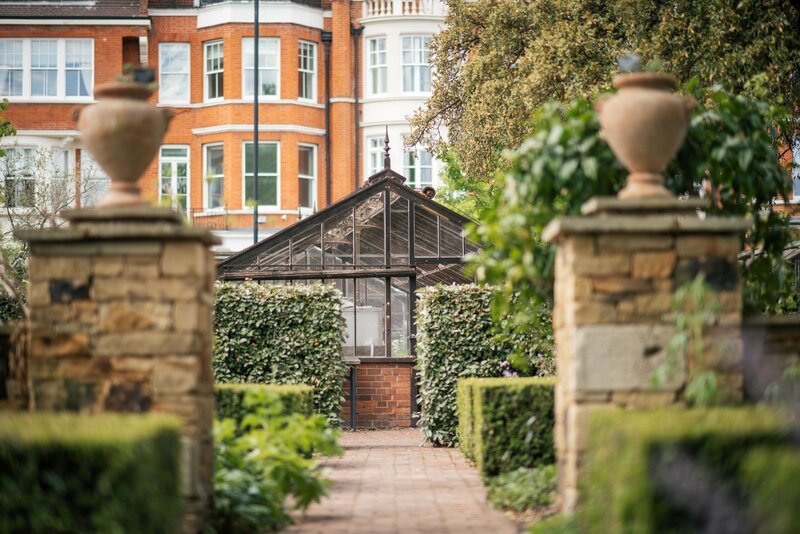
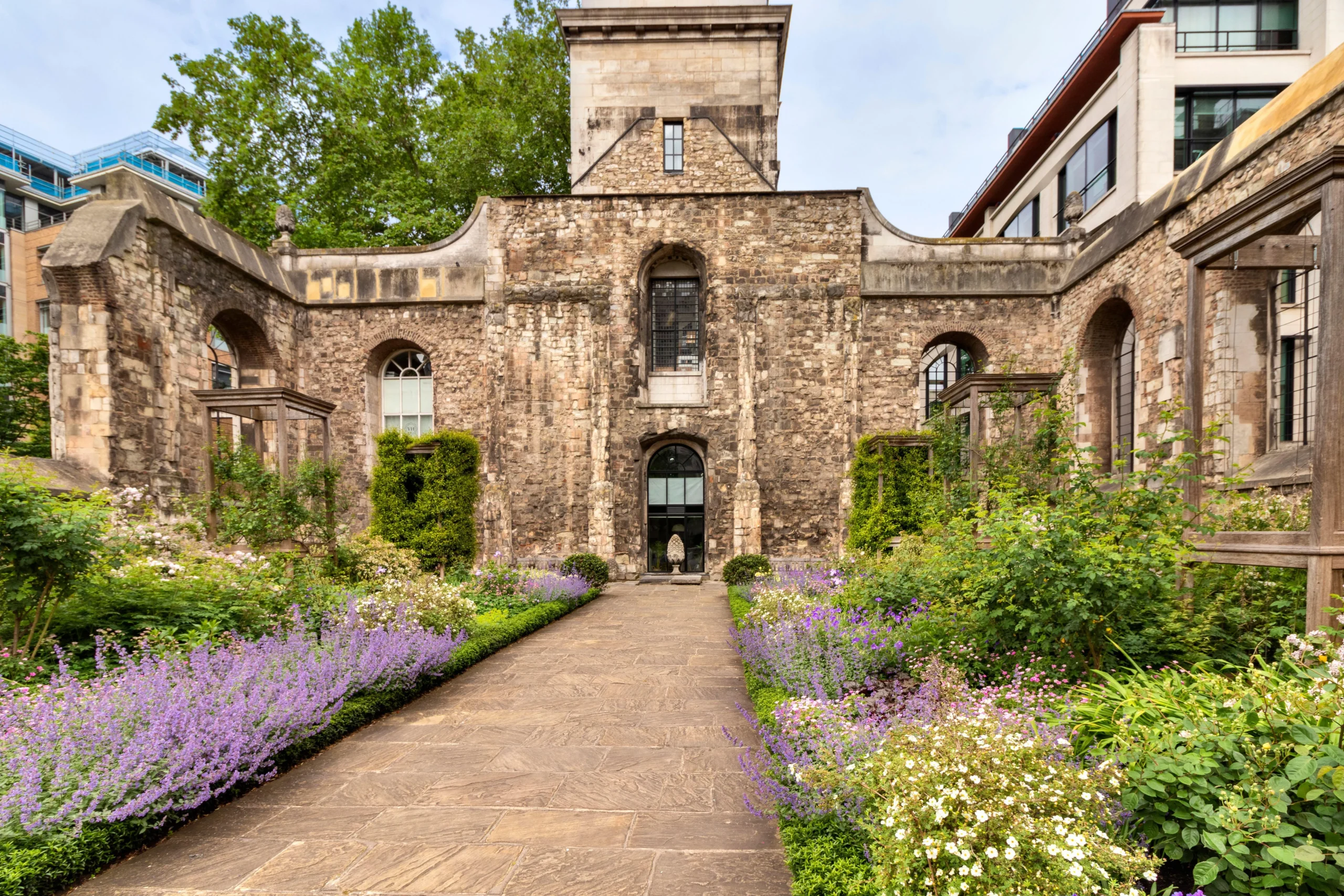
The Chelsea Physic Garden offers a peaceful escape where visitors can explore the connection between plants, medicine, and science. Established by the Worshipful Society of Apothecaries in 1673 so apprentice apothecaries could study medicinal plants, it is one of London’s oldest walled gardens.
Today, the garden features a wide variety of plants and several glasshouses containing exotic species. Visitors can also see Europe’s oldest rock garden and unusual features such as bee libraries designed to provide shelter for declining bee populations.
Kyoto Garden
Located within Holland Park, Kyoto Garden provides an elegant Japanese-inspired setting away from the busier parts of London. The garden was designed by a Japanese landscape architect and presented in 1991 as a symbol of the longstanding relationship between Britain and Japan.
Its tranquil surroundings include a koi-filled pond, traditional stone lanterns, Japanese maples, and cherry trees. During spring and autumn, seasonal changes add to the garden’s appeal, while the surrounding open areas provide space for visitors to relax and enjoy the scenery.
Dennis Severs’ House
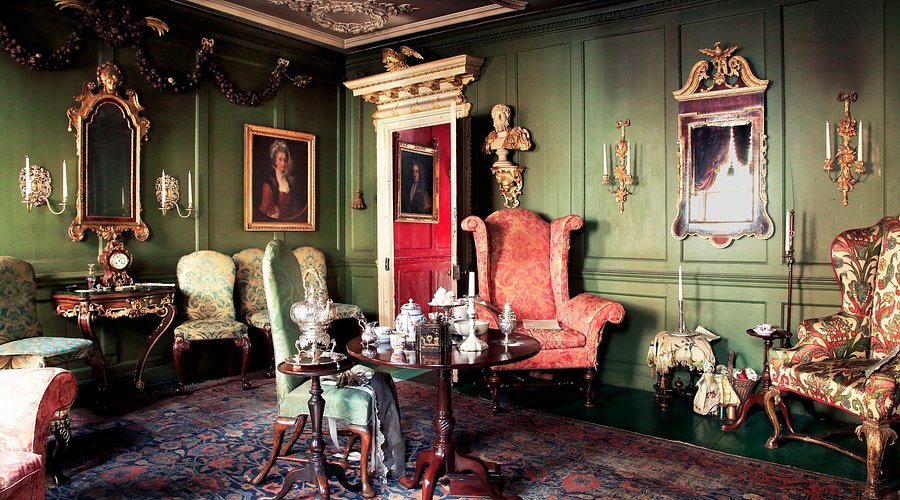
In Spitalfields, 18 Folgate Street is home to Dennis Severs’ House, an unusual museum designed as an immersive historical experience. American artist Dennis Severs transformed the property into a detailed representation of life in Europe between the 17th and 19th centuries.
Rather than simply displaying historical objects, the house uses sounds, smells, lighting, furnishings, and other sensory details to create the feeling that its former inhabitants have only just left. Each room offers a different glimpse into the imagined lives of the people who once occupied the house.
Leadenhall Market
Leadenhall Market is one of London’s historic covered markets and is particularly notable for its Victorian architecture, ornate details, and cobbled walkways.
During the working week, the market attracts many office workers from the surrounding business district. On quieter days, visitors can take time to explore its architecture, shops, cafés, and restaurants. The market provides an opportunity to combine historic surroundings with food and leisure in the heart of the city.
London Mithraeum
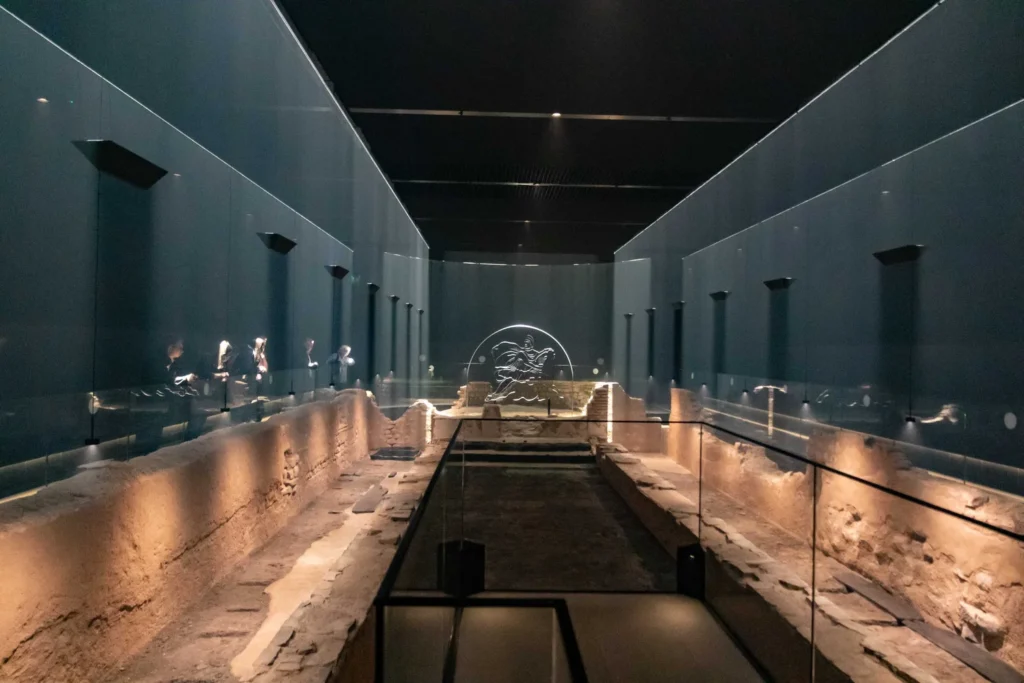
The discovery of a temple dedicated to the Roman god Mithras in 1954 was a significant archaeological find in London. Known today as the London Mithraeum, the site provides an insight into the Roman history beneath the modern city.
The original temple was initially reconstructed elsewhere before being returned to its historic location as part of the development of the Bloomberg building. Today, visitors can explore the archaeological site and learn more about Roman London and the role that Roman planning and engineering played in shaping the city.
Sir John Soane’s Museum
Sir John Soane’s Museum provides a fascinating look into the world of the influential neoclassical architect Sir John Soane. His former home was filled with antiquities, sculptures, architectural models, paintings, and drawings collected throughout his lifetime.
Among the museum’s notable objects is the alabaster sarcophagus of Pharaoh Seti I. Visitors can also see architectural models and works associated with artists such as Canaletto and Hogarth. Guided tours provide an opportunity to discover more about the collections and Soane’s approach to architecture and design.
Neal’s Yard and Hidden Corners
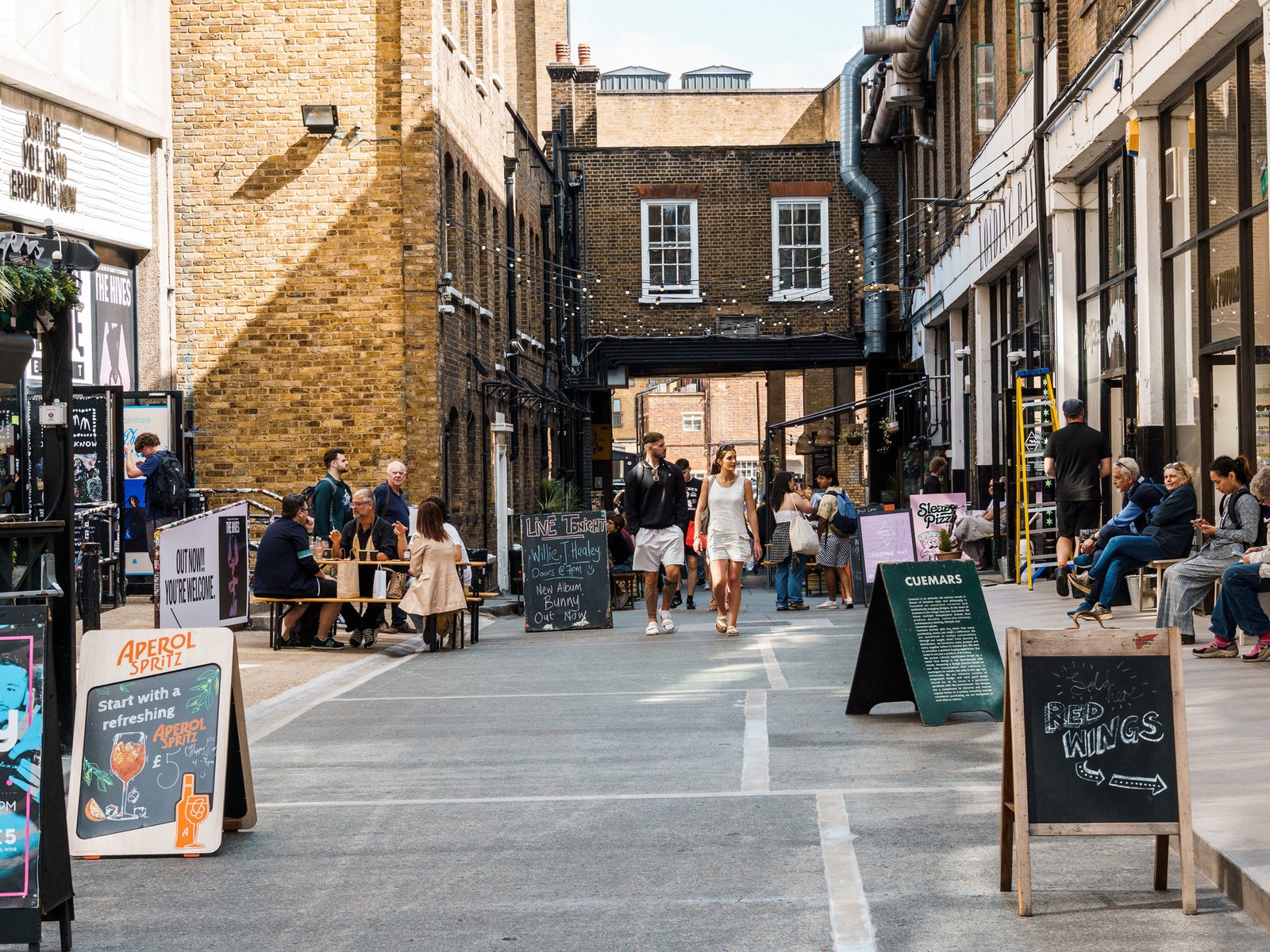
Some of London’s hidden attractions can be found in small courtyards and unexpected corners rather than traditional museums or landmarks. Neal’s Yard, for example, is known for its colorful surroundings and distinctive collection of shops and businesses.
Other unusual discoveries can be found around areas such as Chancery Lane, where visitors can encounter historic architecture and lesser-known shops. Exploring these neighborhoods on foot can reveal a side of London that is easy to miss when following conventional sightseeing routes.
Strand and Aldwych
The Strand and Aldwych area is surrounded by some of London’s best-known attractions, but it also contains architectural and cultural details that reward visitors who take time to explore.
Nearby historic spaces and gardens can provide a quieter break from the city’s busy streets. One notable architectural feature is the Tulip Staircase at the Queen’s House, recognized for its distinctive cantilevered spiral design. Its blue-painted structure resembles the shape of tulips and makes it one of the area’s memorable architectural details.
Conclusion
London’s appeal extends well beyond its most famous landmarks. Its historic gardens, unusual museums, archaeological sites, markets, courtyards, and architectural treasures offer countless opportunities for visitors to experience a less familiar side of the capital.
Exploring these hidden gems can add variety to a London itinerary while providing a closer look at the city’s history, culture, architecture, and everyday character. Whether you prefer peaceful gardens, immersive museums, historic markets, or unusual urban discoveries, there is always more of London to uncover.
FAQs
Some lesser-known attractions include Chelsea Physic Garden, Kyoto Garden, Dennis Severs’ House, Leadenhall Market, London Mithraeum, and Sir John Soane’s Museum.
Kyoto Garden in Holland Park and Chelsea Physic Garden are two options for visitors looking for peaceful green spaces away from some of London’s busiest tourist areas.
Yes. London has numerous smaller historical attractions, including Roman archaeological sites, historic houses, Victorian markets, and architectural features that provide a different perspective on the city’s past.