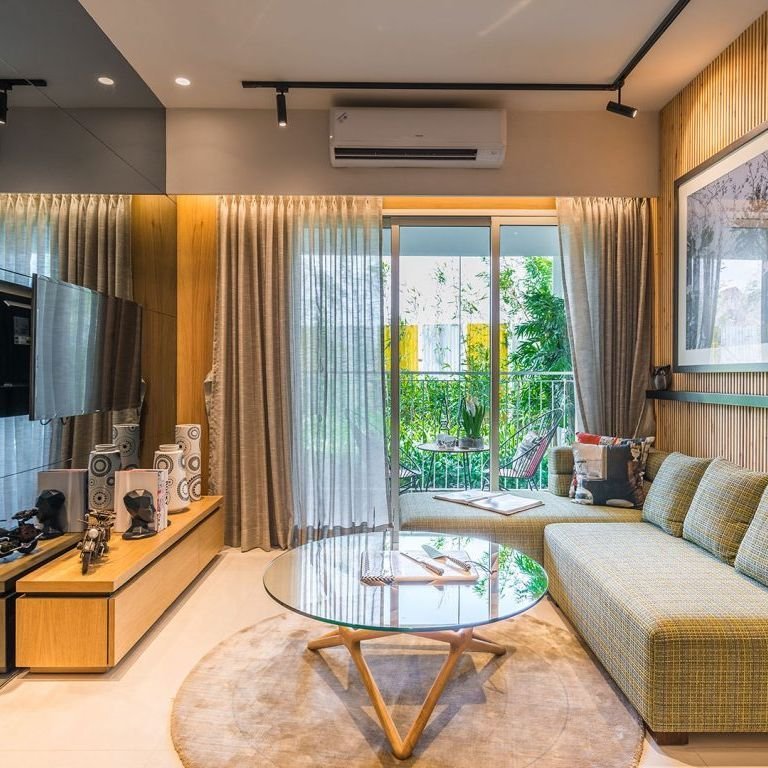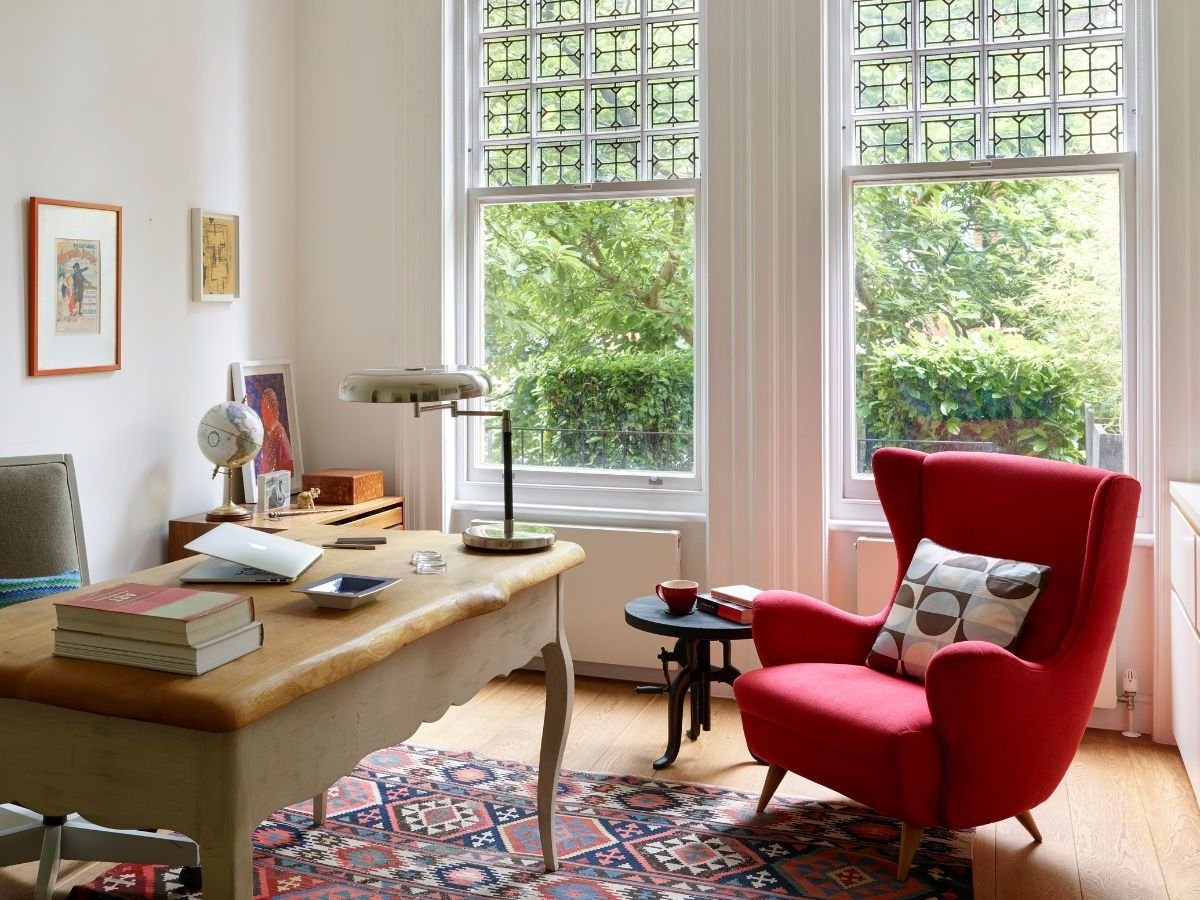
After a demanding workday, having a comfortable place to unwind can make it easier to transition from work mode to personal time. A relaxing home environment does not necessarily require a large space or expensive upgrades. Small changes to lighting, organization, furniture and daily routines can create a calmer atmosphere.
For people living in busy cities, creating a dedicated area for relaxation can be especially valuable. Whether it is a quiet corner of a living room, a bedroom or a small balcony, the right setup can make home feel more comfortable at the end of the day.
Start With a Clutter-Free Environment
A cluttered room can make it harder to feel relaxed. Spending a few minutes putting away work materials, clothing and other items can immediately make a space feel more organized.
Storage baskets, shelves and cabinets can help keep everyday belongings out of sight. Keeping frequently used surfaces relatively clear can also make the room feel less visually overwhelming.
The goal does not have to be perfect organization. Even a simple reset at the end of the workday can create a noticeable difference.
Choose Comfortable Seating
A relaxing space should provide somewhere comfortable to sit or lie down. Depending on the available room, this could be a comfortable sofa, lounge chair, reading chair or floor cushion.
Soft textiles such as cushions and throws can make seating areas feel warmer and more inviting. Choosing furniture that supports comfortable posture can also make it easier to relax after spending several hours at a desk.
Use Softer Lighting
Lighting has a major influence on the atmosphere of a room. Bright overhead lighting can make a space feel more energetic, while softer lighting can create a calmer evening environment.
Table lamps, floor lamps and adjustable lighting can provide alternatives to harsh ceiling lights. Warm-toned bulbs can also contribute to a more comfortable atmosphere.
Natural light can be useful during the early evening, but curtains or blinds can help create a more private and restful setting as the day progresses.
Create a Technology-Free Zone
Technology is an important part of modern life, but constant notifications can make it difficult to disconnect from work.
Creating a small area where work laptops, phones and other devices are limited can help establish a clearer boundary between professional and personal time. Even placing a work laptop in another room or closing it away after working hours can provide a useful psychological transition.
For those who need their phones nearby, turning off unnecessary notifications can reduce distractions without completely disconnecting.
Bring Nature Indoors
Plants and natural elements can add warmth and character to a relaxing space. Small indoor plants can work well even in apartments with limited floor space.
Other natural elements, such as wooden furniture, woven materials and natural fabrics, can also create a more comfortable visual environment.
If maintaining plants is difficult, low-maintenance varieties or simple natural decorations can provide a similar aesthetic without requiring extensive care.
Add Personal Comforts
A relaxing space should reflect personal preferences. Favorite books, artwork, photographs, blankets or other meaningful objects can make a room feel more personal.
The key is to avoid overdecorating. A few carefully selected items can create a welcoming atmosphere without contributing to clutter.
Personal touches can also make a relaxation area feel distinct from spaces associated with work or household responsibilities.
Use Calming Scents
Scent can contribute to the overall atmosphere of a room. Depending on personal preference, candles, essential-oil diffusers or naturally scented products can introduce calming fragrances.
Popular choices include lavender, vanilla and citrus-based scents. When using candles or other heat-producing products, appropriate safety precautions should always be followed.
Designate a Reading or Hobby Corner
A small corner dedicated to a favorite activity can provide a useful way to transition away from work. A reading chair, compact desk or comfortable floor area can become a place for hobbies.
Reading, drawing, journaling, listening to music or working on a creative activity can provide alternatives to scrolling through social media or continuing to think about work.
The space does not need to be large. A small, clearly defined area can be enough to establish a relaxing routine.
Make the Bedroom More Restful
The bedroom should ideally feel separate from work and other demanding activities. Keeping work equipment away from the bed can help reinforce its role as a place for rest.
Comfortable bedding, suitable room temperature and reduced evening distractions can contribute to a more restful environment. Keeping the bedroom organized can also make it feel calmer.
For people who work from home, maintaining a clear separation between the workspace and sleeping area can be particularly helpful.
Create an Evening Routine
A relaxing space becomes more effective when combined with a consistent routine. Simple activities such as changing clothes, preparing a light meal, reading or listening to music can signal the transition from work to personal time.
The routine does not need to be complicated. Repeating a few enjoyable activities each evening can help create a predictable transition into downtime.
Make the Space Work for the Available Home
Not every home has a dedicated relaxation room. Apartments and smaller homes may require a more flexible approach.
A corner of a living room can become a reading area, a balcony can provide an outdoor retreat, or a comfortable chair near a window can serve as a quiet place to unwind.
Instead of focusing on the size of the space, the emphasis should be on creating an area that feels comfortable, organized and separate from work-related activities.
Conclusion
Creating a relaxing space after a busy workday does not require major renovations or expensive furniture. Decluttering, improving lighting, adding comfortable seating and limiting work-related distractions can make a home feel more peaceful.
Personal touches, plants, calming scents and dedicated areas for hobbies can further improve the experience. Most importantly, a relaxing environment should support the transition from work to personal time and reflect the habits and preferences of the people who use it.
By making a few intentional changes, even a compact urban home can become a comfortable place to recharge at the end of a demanding day.
Frequently Asked Questions
A small home can feel more relaxing by reducing clutter, using comfortable furniture, improving lighting and creating a dedicated area for quiet activities.
Softer, adjustable lighting can create a calmer atmosphere than bright overhead lights. Table lamps and floor lamps can provide more flexibility.
When possible, keeping laptops, paperwork and other work equipment away from relaxation areas can help establish a clearer boundary between work and personal time.