The beverage experience at business events is changing as attendee preferences evolve. Traditional event bars are increasingly being complemented by nonalcoholic drinks, customizable beverage stations, specialty coffee and functional refreshments. These changes are part of a broader shift in food trends transforming trade show dining, as organizers look for more personalized and engaging options for attendees.
Changing attitudes toward alcohol, growing interest in wellness and the popularity of personalized food and beverage experiences are encouraging trade show organizers, convention centers and event caterers to rethink what they serve.
For event planners, providing greater variety can create a more inclusive experience while giving attendees more ways to socialize, refresh and recharge throughout an event.
Here are five beverage trends that are reshaping business events and trade shows.
1. Low- and No-Alcohol Beverages Are Becoming Standard
Nonalcoholic beer, dealcoholized wine and zero-proof cocktails are moving beyond the role of secondary alternatives. They are increasingly becoming an expected part of event beverage menus.
According to Gallup’s 2025 Consumption Habits Survey, only 54% of U.S. adults reported drinking alcohol. Younger generations, particularly Gen Z and Millennials, are also contributing to declining alcohol consumption.
This shift is prompting hotels, caterers and event venues to expand their nonalcoholic selections. Zero-proof cocktails can provide the same sense of occasion as traditional cocktails while allowing attendees to participate without consuming alcohol.
Low-ABV cocktails can also appeal to guests who want the flavors and presentation of a cocktail with a lower alcohol content.
Trade Show Tip
Build a dedicated zero-proof section into the beverage menu rather than treating nonalcoholic drinks as an afterthought. Clearly labeling alcohol content can also make it easier for attendees to choose beverages that match their preferences.
2. Agave-Based Cocktails Continue to Gain Popularity
Agave spirits, particularly tequila, are becoming increasingly visible on modern cocktail menus. Their fresh and citrus-friendly flavor profile works well in lighter drinks that are suited to daytime networking events, receptions and outdoor gatherings.
Ranch waters and Palomas are two examples of cocktails that have gained attention. Ranch water typically combines tequila, lime and sparkling water, while a Paloma pairs tequila with grapefruit, lime and soda.
These drinks can provide a refreshing alternative to heavier cocktails and can be adapted for different preferences.
Trade Show Tip
Consider featuring a signature agave-based cocktail at receptions or networking events. Providing a lower-alcohol variation or a zero-proof alternative can help accommodate a wider range of attendees.
3. DIY Beverage Stations Encourage Personalization
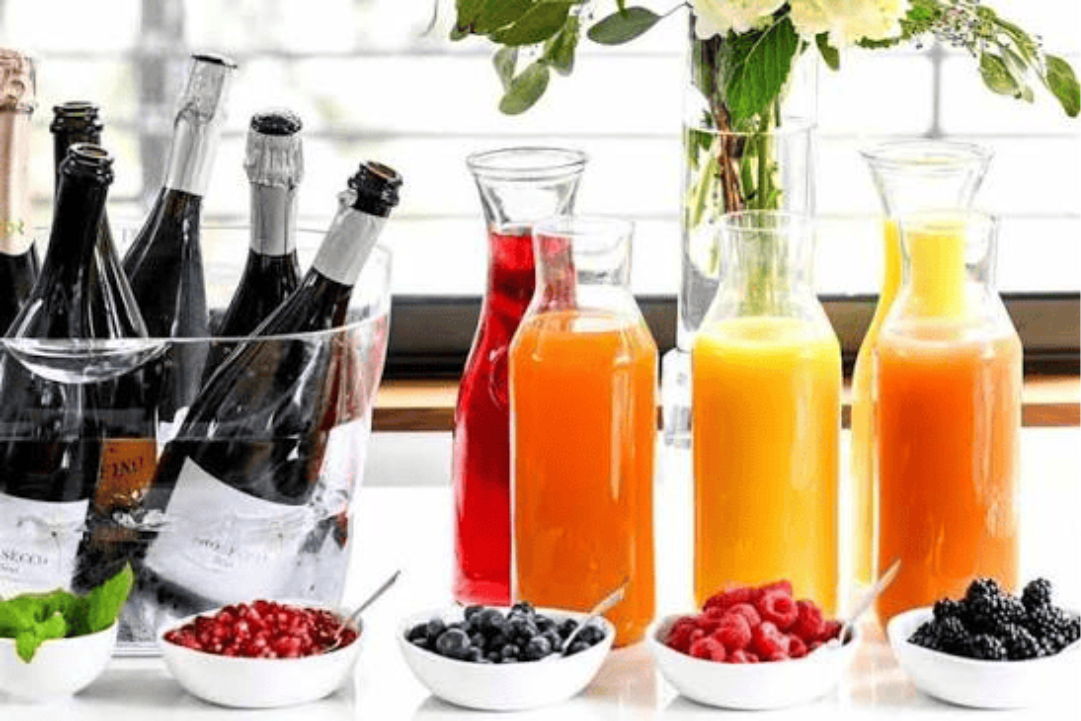
Attendees increasingly value experiences that allow them to customize what they eat and drink. DIY beverage stations are a simple way to bring this trend into trade shows and conferences.
Dirty soda stations, for example, allow guests to combine a sparkling beverage with different syrups, fruit purées, citrus, cream or cold foam. Similar concepts can be applied to iced teas, lemonades, cold brews and sparkling water.
Customization also adds an interactive element to an event. Rather than simply picking up a prepared beverage, attendees can create something based on their own preferences.
Trade Show Tip
Offer a selection of bases and clearly labeled mix-ins so attendees can quickly build their own drinks. For busy events, combining a DIY station with ready-to-go signature beverages can keep lines moving while maintaining the interactive experience.
4. Cold Coffee Is Changing the Traditional Event Break
Coffee remains an important part of meetings and conferences, but the way people consume it continues to evolve.
Cold brew, iced espresso drinks, iced lattes and flavored cold foams have become increasingly prominent on coffee menus. Starbucks, for example, reported that iced beverages accounted for approximately 75% of its U.S. beverage sales.
This growing preference for cold coffee creates new opportunities for event organizers. Instead of offering a conventional coffee station, venues can create café-style lounges where attendees can relax, work or network.
Cold coffee also works well during morning breaks, afternoon sessions and receptions.
Trade Show Tip
Create a dedicated coffee lounge featuring cold brew, iced lattes, espresso drinks and flavored cold foams. Single-origin tastings or barista-prepared beverages can add an experiential element to the setup.
5. Functional Beverages Bring Wellness Into Events
Functional beverages are becoming another important part of modern food and beverage programs. These drinks are designed to provide benefits beyond basic hydration or nutrition and may contain ingredients such as electrolytes, magnesium, protein, adaptogens or other functional compounds.
The growing interest in wellness is also influencing what attendees expect during long conferences and trade shows. Instead of relying entirely on coffee and sugary refreshments for energy, organizers can offer options focused on hydration, energy and overall wellness.
Functional beverages can include electrolyte drinks, hydration shots, low-sugar energy beverages, green tea-based drinks and other wellness-focused options.
The global functional foods market is expected to reach hundreds of billions of dollars, reflecting broader consumer interest in products associated with health and wellness.
Trade Show Tip
Offer several functional beverage options and label them clearly. Attendees should be able to quickly identify beverages based on characteristics such as hydration, caffeine content, sugar levels or ingredients.
How Beverage Programs Can Improve the Event Experience
Beverages are no longer simply refreshments between sessions. They can contribute to networking, attendee engagement and the overall atmosphere of a trade show or business event.
A well-planned beverage program can include traditional alcoholic drinks while also providing zero-proof cocktails, specialty coffee, customizable beverages and functional options. This broader approach recognizes that attendees have different preferences, dietary considerations and expectations.
Personalization can also make beverage service more memorable. Interactive stations, signature drinks and specialty coffee experiences can become natural conversation points during breaks and networking sessions.
What Event Organizers Should Consider
Before redesigning a beverage program, organizers should consider the event’s audience, schedule and venue. A morning conference may benefit more from cold coffee and functional beverages, while an evening networking event may require a broader cocktail and zero-proof selection.
Clear labeling is also important. Providing information about alcohol content, caffeine, sugar and major ingredients can help attendees make informed choices.
Cost and service speed should also be considered. Interactive stations can create memorable experiences but may require additional staff and space. Ready-to-serve beverages can help manage high-volume periods and reduce waiting times.
Conclusion
The beverage experience at trade shows and business events is becoming more diverse, personalized and wellness-focused. Low- and no-alcohol drinks, agave-based cocktails, DIY beverage stations, cold coffee and functional beverages are all influencing how organizers approach event refreshments.
Rather than relying on a one-size-fits-all beverage menu, event professionals can provide a mix of traditional favorites and emerging options. The goal is to create a beverage program that supports networking, accommodates different preferences and gives attendees more opportunities to enjoy the event on their own terms.
FAQs
Some of the major trends include zero-proof beverages, low-ABV cocktails, customizable drink stations, cold coffee and functional beverages designed around hydration and wellness.
Event organizers can create stations for dirty sodas, sparkling drinks, iced teas, lemonades, cold brews or functional spritzers. Guests can customize their beverages with ingredients such as fruit, syrups, citrus and flavored foams.
Offering alcoholic and nonalcoholic choices, clearly displaying alcohol content and ingredients, providing low-sugar and caffeine-free options, and accommodating different dietary preferences can make beverage programs more inclusive.