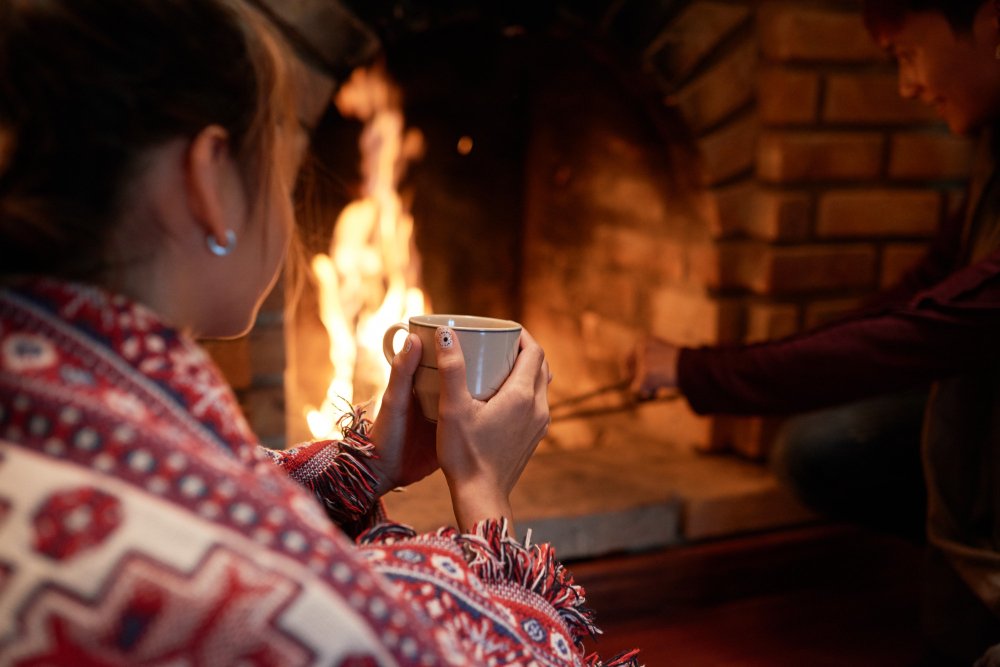
As we move into the winter months, fireplaces start to come in handy. There are, however, some safety measures that need to be observed and ensured in order to avoid chimney fires, smoke problems, and other various issues. In order to ensure safe usage of a fireplace, however, one must properly know what goes on inside the fireplace.
Understand Your Fireplace Type
However, since each fireplace has its unique specifications, it is necessary to know what type of fireplace you have in order to take proper care of it and use it effectively.
Firstly, wood-burning fireplaces provide the traditional feel of a fireplace because it is a live flame that burns in it. However, it requires much maintenance on the part of homeowners including the management of firewood, ash removal, cleaning of the firebox, and professional chimney cleaning.
Secondly, gas fireplaces are much easier to operate and they do not make so much mess as wood-burning ones. The owners only need to inspect from time to time the condition of the burner, gas connection and ventilation system.
Thirdly, electric fireplaces are modern substitutes that imitate the real flame and use electricity to provide warmth without producing any smoke or creosote.
Therefore, wood-burning fireplace cannot be recommended for those who use a fireplace as a mean of heating. This is explained by the fact that much of warm air that is produced inside can escape through the chimney.
Watch Out for Creosote Buildup
Among the major problems associated with wood-burning fireplaces is the formation of creosote within the chimney. Creosote results from the condensation of smoke and other combustion products on the walls of the chimney and creates a flammable layer of material.
Creosote can take the form of light soot or develop into sticky or glazed creosote deposits depending on the time that it has taken for its formation. As the amount of creosote increases, there will be more chances of a chimney fire breaking out. Chimney fires burn at very high temperatures and can cause damage to the chimney lining, bricks and other parts around the fireplace. A chimney fire need not necessarily show any signs within the house.
Follow Safe Fireplace Habits
Several simple steps are enough to significantly decrease the amount of creosote deposited in the fireplace during the entire heating season.
For the safe burning and efficient usage of the fireplace it is necessary to choose well dried hardwood species, for example oak, maple and ash. Well dried firewood should be kept at least several months. It means that moisture content in it should be less than 20%.
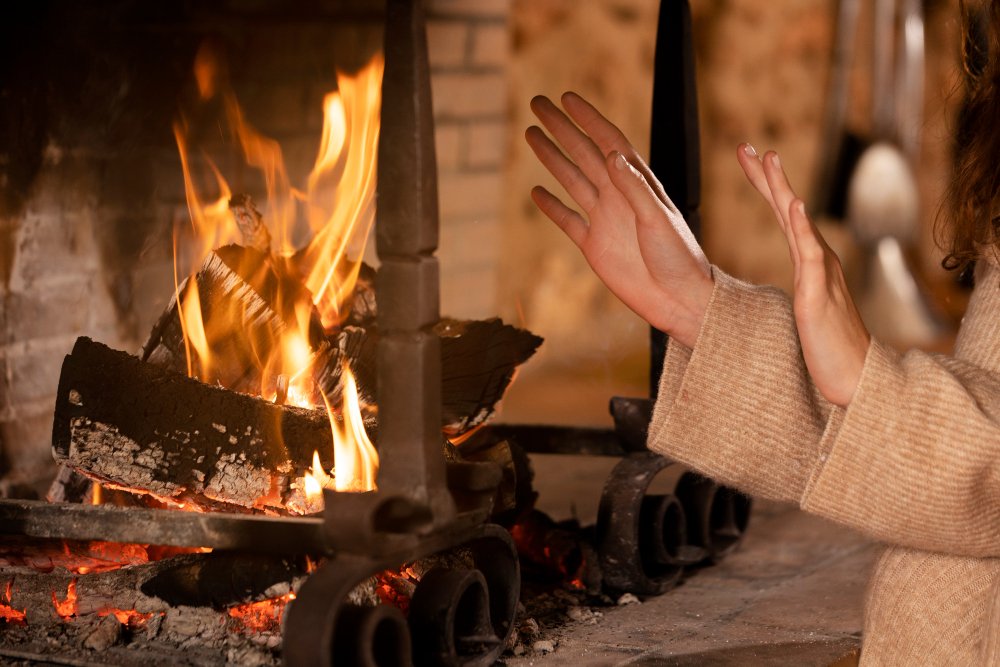
Before burning, it is necessary to make sure that the chimney’s damper is opened. It will stay opened while the fire is burning, because in this case the smoke will easily go through the chimney. The good ventilation in this case provides burning the wood efficiently.
Additionally, it is necessary to use a fireplace screen to protect other combustible things in the house from falling sparks and embers. In addition, it is not allowed to remove hot ashes and to make regular check of the firebox to detect any broken or deteriorated elements of the firebox.
It is also a good idea to check the chimney cap from the ground level.
Schedule a Professional Chimney Inspection
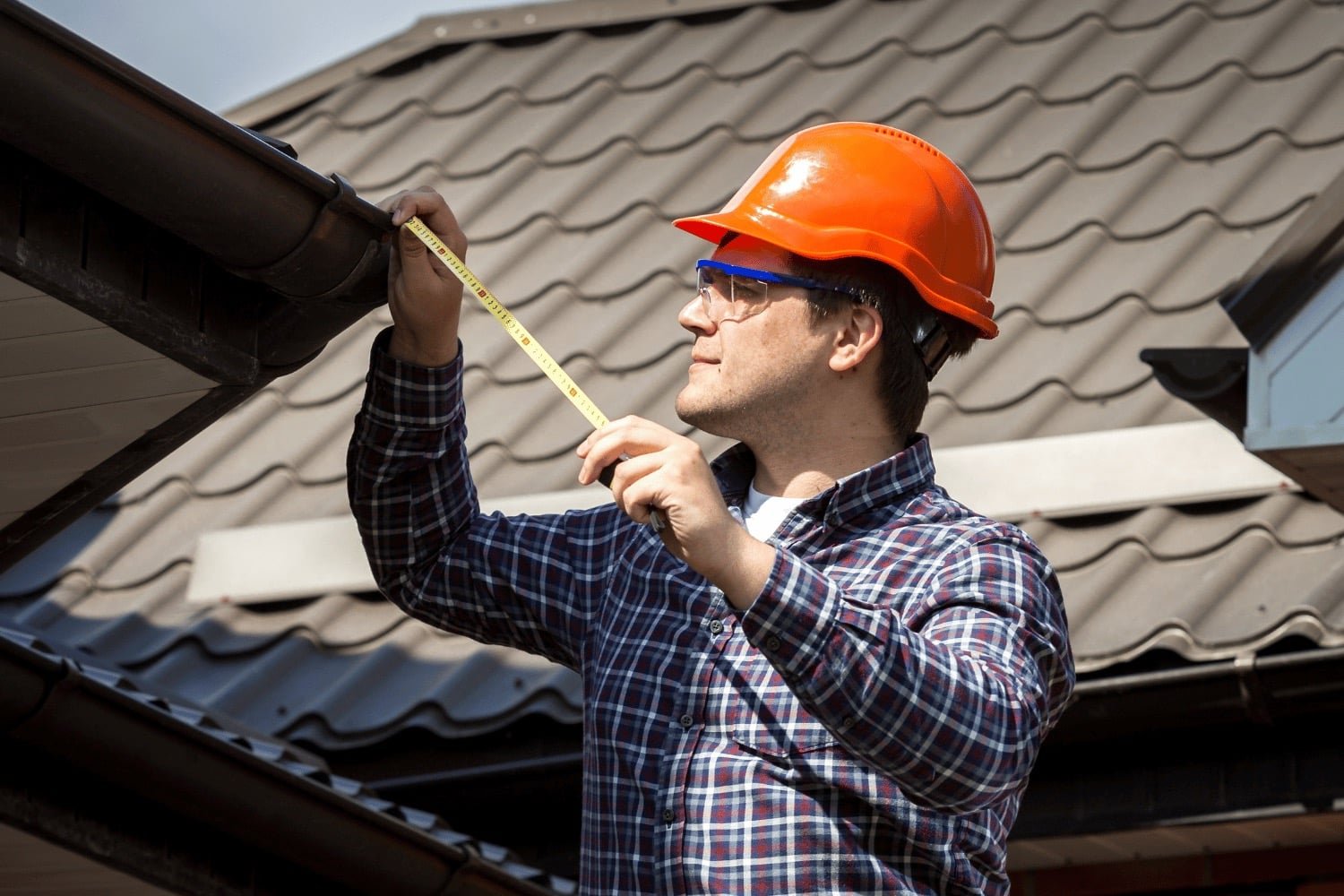
Although it seems that your fireplace has no issues and operates well, there may be some hidden problems in your chimney, which can only be detected during a professional inspection. Creosote buildup, damaged flue liners, moisture problems, and other concerns will be revealed during the inspection of your fireplace.
A yearly checkup of your chimney is a great method to prevent any problems. Cleaning and maintenance of your fireplace will help you avoid more serious and costly repair work and potential fire hazards. It is always helpful to take care of your fireplace before winter.